
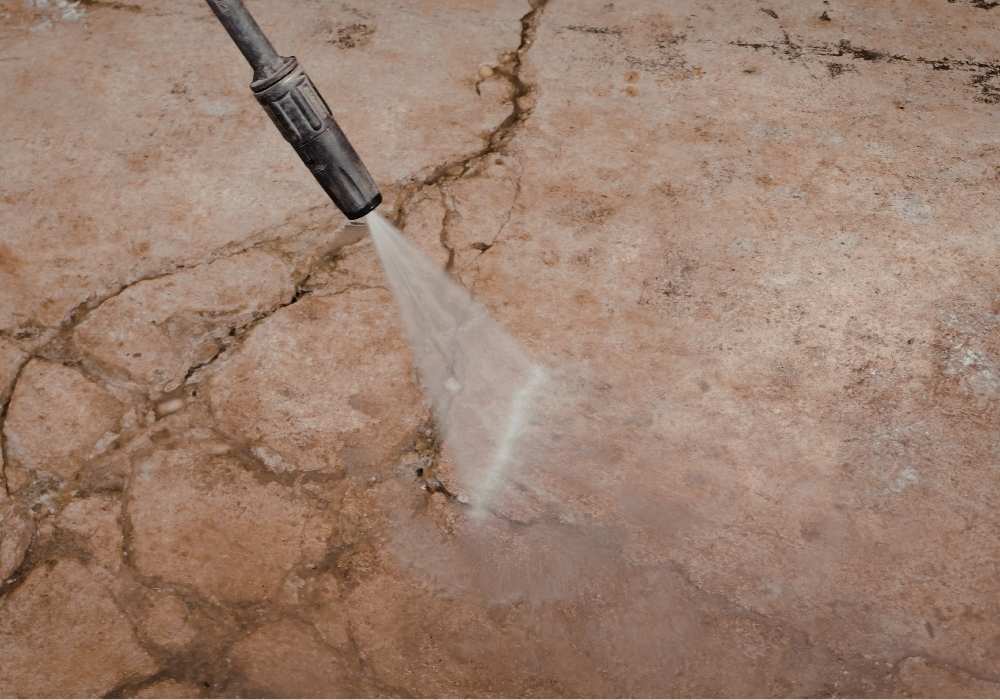
Pressure washing is a popular solution for cleaning driveways, patios, footpaths, and other concrete surfaces. It promises sparkling results in a fraction of the time it would take with a broom and bucket. But many Aussies wonder: could using a pressure washer actually damage the very concrete you’re trying to clean?
Concrete is durable, but it isn’t invincible. Improper pressure, poor technique, or using the wrong nozzle can leave you with pitted surfaces, chipped edges, or even eroded joints. Beyond aesthetics, there’s the risk of creating slippery patches or causing long-term damage that ends up costing a small fortune to fix.
In this guide, we’ll explore how pressure washing works, what can go wrong, and how to protect your concrete while still getting it spotless. We’ll also share step-by-step cleaning tips, maintenance advice, and answer common questions homeowners have about pressure washing and concrete.
How Pressure Washing Works
Pressure washers are powerful tools that shoot water at high speeds to remove dirt, grime, moss, oil, and algae from hard surfaces. They’re perfect for areas like:
- Driveways and footpaths
- Patios and outdoor entertaining areas
- Pool surrounds
- Garage floors
For many homeowners, the appeal is obvious: what might take hours of scrubbing with a stiff broom can often be completed in 30–60 minutes with a pressure washer. It’s also a chemical-free way to remove stubborn stains, which is appealing for those wanting an eco-friendly clean.
However, concrete isn’t like wood, metal, or tile. Its surface can erode if the water pressure is too high, and older or low-quality concrete may crack or chip under the force. That’s why understanding the risks and correct technique is critical before getting started.
How Pressure Washing Can Damage Concrete
Concrete damage from pressure washing usually occurs in a few common ways:
- Etching and Pitting: High-pressure water can wear away the top layer of the concrete, leaving a rough, uneven surface. This is especially common on older, exposed driveways or footpaths.
- Cracks and Spalling: Strong jets can chip edges, loosen aggregate, or even break tiles in decorative concrete.
- Joint and Grout Erosion: Water forced between concrete slabs can erode sand or sealant in joints, leading to instability.
- Discolouration: Uneven pressure or incorrect cleaning solutions can leave streaks or blotchy patches.
- Environmental Issues: Runoff water can wash away soil, damage nearby plants, or carry chemicals into gardens.
These issues are why homeowners often approach DIY pressure washing with caution. A simple misstep can lead to expensive repairs, and for landlords or property managers, damage could mean tenant disputes or insurance claims.
When Concrete is Safe to Pressure Wash
Not all concrete is at risk. Certain conditions make pressure washing relatively safe:
- Quality and Curing: Concrete should be properly cured (generally at least 28 days old) and structurally sound.
- Surface Type: Sealed concrete tolerates higher pressure better than unsealed surfaces.
- Pressure Settings: Most driveways do well with 2,000–3,000 PSI. Anything higher increases the risk of surface damage.
- Nozzle Choice and Distance: Use a wide-angle nozzle and keep it 30–50cm from the surface.
- Test First: Always start on a small, inconspicuous area to see how the concrete responds.
If your driveway or patio is old, fragile, or has existing cracks, a low-pressure wash or getting professional service may be a safer option.
Step-by-Step Guide to Safe Concrete Pressure Washing
If your concrete is ready for a wash, here’s a structured approach to avoid damage:
1. Prepare the Area
- Sweep the surface to remove loose dirt, leaves, and debris.
- Clear nearby plants and cover delicate garden beds to prevent chemical or water damage.
- Mark cracked or weak areas to avoid concentrating pressure there.
2. Choose the Right Cleaning Solution
- For grease, oil, or moss, use a mild detergent or eco-friendly moss remover.
- Avoid harsh chemicals that can corrode concrete or affect surrounding plants.
3. Set Up Your Pressure Washer
- Attach a wide-angle nozzle (25–40°) to disperse the water safely.
- Set PSI between 2,000–3,000 for most driveways; lower for older or decorative concrete.
- Keep the nozzle at least 30–50cm away from the surface.
4. Cleaning Technique
- Work in sections from top to bottom.
- Keep the nozzle moving; don’t stay in one spot for more than a few seconds.
- Angle the water jet slightly to sweep debris away rather than driving it into the concrete.
- For stubborn stains, apply detergent first and let it sit a few minutes before rinsing.
5. Rinse and Inspect
- Rinse each section thoroughly with clean water
- Check for pitting, streaks, or damage as you go.
Alternatives and Safer Options
For those hesitant about high-pressure cleaning, there are effective alternatives:
- Manual Scrubbing: A stiff broom and garden hose can remove dirt, moss, and light stains without risking cracks.
- Low-Pressure Washing: Reduces the risk of surface damage and still removes grime.
- Professional Pressure Clean Services: Ideal for older, decorative, or multi-level concrete surfaces. Experts have the experience and equipment to clean effectively without causing damage.
Using these methods may take longer than a full-pressure wash, but they significantly reduce the risk of costly repairs.
Maintenance Tips to Keep Concrete Clean
Once your concrete is clean, a few steps can keep it in good shape:
- Sweep regularly to prevent dirt build-up.
- Address oil and grease spills promptly to avoid stains.
- Seal driveways every 2–3 years to protect the surface.
- Avoid pressure washing new concrete for at least 28 days.
- Trim nearby trees to reduce moss and leaf accumulation.
Regular upkeep reduces the need for heavy-duty cleaning and extends the lifespan of your concrete surfaces.
Pressure washing concrete can dramatically improve the look of driveways, patios, and footpaths, but it’s not risk-free. Knowing the correct pressure, using the right nozzle, and preparing the surface properly can prevent damage and give you a long-lasting clean. For older, fragile, or decorative concrete, professional services are often the safest option.
With careful technique and ongoing maintenance, your concrete surfaces can stay clean, safe, and visually appealing without unnecessary repairs or hazards.